
Premium Commercial Shade Cloth Wholesale – Heavy Duty Sun Protection Netting
Engineered for Tough Environments & Maximum Crop Yield
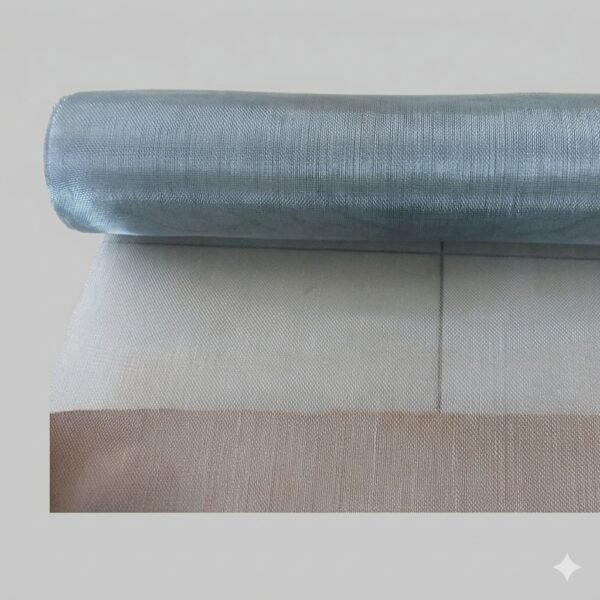
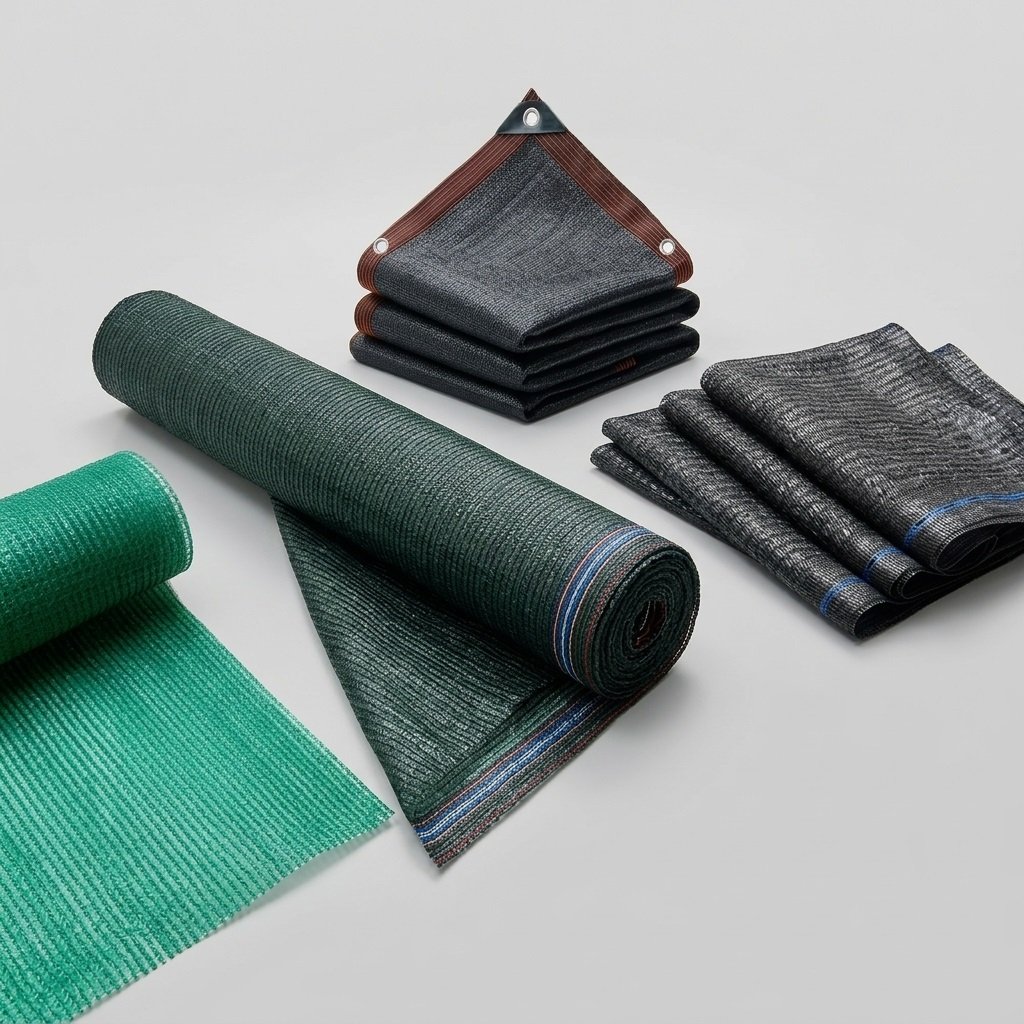
Our heavy duty shade cloth is fabricated utilizing lock-stitch knitted technology, which eliminates unraveling while enhancing general dimensional stability. With integrated UV-inhibitors, this high-performance agricultural shade netting provides sustained heat reduction, moisture retention, and wind protection across global climatic zones.
When sourcing commercial-grade climate control textiles, performance and lifespan are non-negotiable parameters. Our commercial shade cloth mesh is manufactured from 100% virgin High-Density Polyethylene (HDPE) blended with sophisticated hindered amine light stabilizers (HALS). This unique chemical compound effectively shields the raw polymer matrix against rapid thermal degradation and solar photolysis, delivering a rugged outdoor service lifespan exceeding 5 years.
Advanced Product Benefits & Manufacturing Intelligence
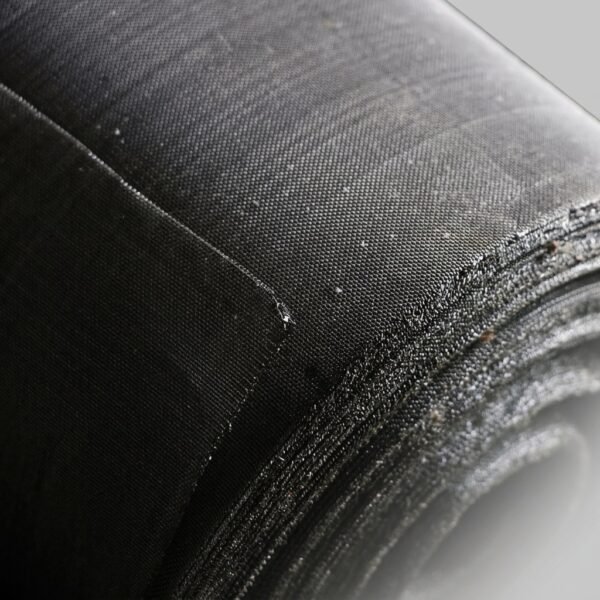
Unlike standard woven monofilament variations, our knitted shade fabric utilizes a precise loop-structure geometry. This specific configuration guarantees that the textile can be perforated or customized on-site without initiating catastrophic runs or tearing lines. The micro-mesh design facilitates structural micro-climate control, mitigating frost damages during unexpected cold drops while radically trimming structural irrigation costs by preserving ground moisture content during drought seasons.
- Optimized Micro-Climate Control: Balances light penetration and structural ventilation to minimize plant stress and heat localized pockets.
- Uncompromising Mechanical Strength: Built to endure localized wind pressures, heavy torrential rainfall downpours, and minor hail dispersion events.
- Flexible Customized Formats: Supplied in continuous industrial raw rolls or completely finished configurations featuring heavy-duty reinforcing webbing and structural metal grommets.
Technical Specifications & Structural Parameters
| Technical Parameters | Specification Values / Structural Standards |
|---|---|
| Raw Material Base | 100% Virgin High-Density Polyethylene (HDPE) + Premium UV Blockers |
| Shading Rates Available | 30% | 40% | 50% | 60% | 70% | 80% | 90% | 95% |
| Fabric Weight (GSM) | 80 g/m² to 340 g/m² (Custom Tailoring Supported) |
| Knitting Patterns | Monofilament Knitted | Tape Fabric Knitted | Hybrid Mono-Tape Knitted |
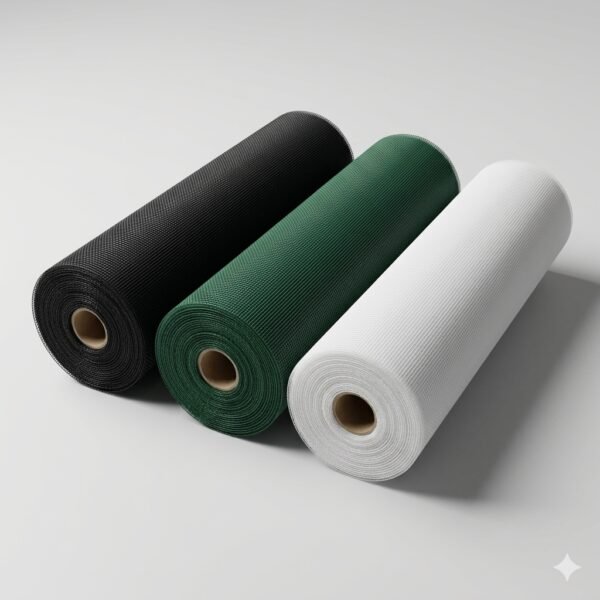
| Available Colors | Deep Green, Jet Black, Desert Sand, Polar White, Sky Blue, Dark Anthracite |
| Tensile Strength Capacity | Warp Direction: >550 N / Weft Direction: >450 N (ASTM D5034 Grid) |
| Standard Width Spectrum | 1.0 meter minimum up to 12.0 meters (Seamless Multi-layer Joinery) |
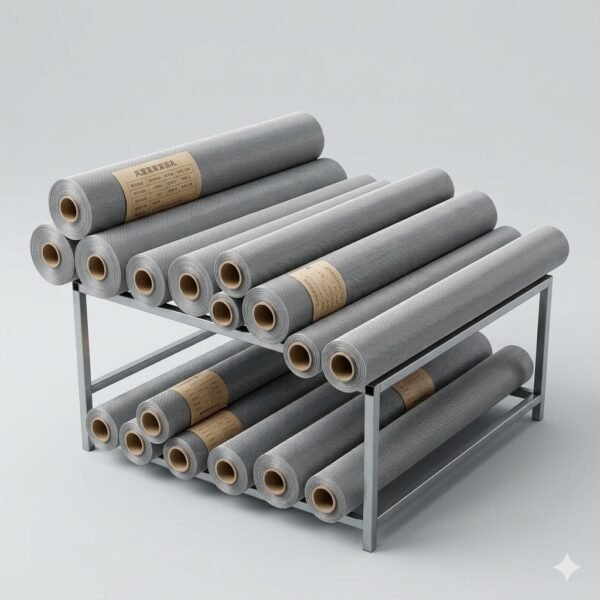
| Standard Roll Lengths | 50 meters | 100 meters | 200 meters (Packaged on heavy-duty cardboard tubes) |
| Reinforcement Profiles | Optional 2-inch PP black binding tape with rustproof brass/aluminum grommets |
| Chemical Resistivity | Excellent resistance to typical agricultural acids, sprays, and chemical fertilizers |
Diverse B2B Application Industries
The versatility of our industrial shade cloth makes it an indispensable asset across multiple high-demand industrial verticals. Depending on the customized density selected by procurement officers, its operational usage varies strategically:
- Commercial Crop Horticulture (30% – 50% Shade): Deployed over delicate crops like tomatoes, capsicums, and leafy greens. It provides enough light for photosynthesis while eliminating sun scald and extreme midday heat stress.
- Livestock & Poultry Enclosures (70% – 80% Shade): Installed over cow sheds, pig pens, and chicken coops to maintain stable core body temperatures. This lowers stress-induced disease rates and maintains consistent egg/milk production scales.
- Privacy & Safety Barriers (85% – 95% Shade): Perfect for perimeter chain-link fence coverings, building construction dust barriers, and industrial storage yards requiring high-density visual privacy screening.
Global B2B Supply Chain & Professional Logistics Packaging
As a seasoned B2B exporter specializing in synthetic agricultural textiles, our manufacturing facility operates robust quality control protocols covering structural testing and palletization logistics. We pack each customized shade cloth roll within protective, puncture-resistant clear PE tubing, further secured by heavy-duty laminated outer woven sacks to fully counteract long-distance maritime humidity and abrasive friction forces during transit.
Our production facilities maintain optimal logistics access to premier regional shipping hubs, allowing us to guarantee highly efficient container packing. By applying precision automated roll compressing machinery, we routinely expand the volume metrics inside standard 40ft High Cube containers by up to 20%, translating directly into massive ocean freight savings for your bottom line.
Frequently Asked Questions (FAQ)
Q1: What exactly differentiates your virgin HDPE shade cloth from lower-cost recycled alternatives?
A1: Recycled plastic molecules degrade rapidly within 6-12 months under harsh sunlight due to severe polymer chain breakdown. Our products use 100% virgin High-Density Polyethylene infused with world-class UV stabilizers. This ensures excellent molecular integrity, high mechanical strength, and 3 to 5+ years of reliable field usage.
Q2: How should an importer calculate the ideal shade rate percentage for agricultural setups?
A2: The optimal shading percentage varies by crop type and local solar radiation levels. Light-loving plants like tomatoes, peppers, and eggplants flourish under a 30% to 50% shade fabric profile. Orchid varieties, ferns, and general nursery propagation zones perform best under 70% to 80% dense shade nets. Extremely high 90%+ rates are intended for non-crop uses like livestock protection, vehicle parking, and industrial privacy screens.
Q3: Can your commercial bulk shade netting be custom cut on-site without fraying out completely?
A3: Yes. Our manufacturing line uses an advanced lock-stitch knitting pattern rather than a traditional warp-woven method. This distinct loop interlocking system guarantees that even if the mesh is cut, punctured, or sliced into custom configurations, the remaining structure will not unravel or run over time.
Q4: What is your standard Factory Minimum Order Quantity (MOQ) and customization turnaround time?
A4: Our standard manufacturing MOQ for custom-colored or specific GSM weights is 2,000 kilograms per run. Standard colors like black or dark green in regular widths can accommodate lower initial trial volumes. Our typical factory manufacturing lead time spans 15 to 25 working days from official deposit confirmation to container boarding.
Get Factory-Direct Wholesale Price & Free Samples
Are you searching for a stable, high-capacity Chinese manufacturer to optimize your Shade Cloth procurement costs? Partner with us to enjoy premium heavy-duty, UV-stabilized, and high-tear resistance quality compliant with international commercial agriculture, greenhouse horticulture, and residential outdoor living standards and seamless global supply chain service.
- Flexible Tiered Pricing: Massive discounts and competitive FOB/CIF/CFR quotes for full container loads (20GP/40HQ) to maximize your inventory budget.
- 100% Free Samples: Quality, precise shade percentage (30%–90%+), wire density (tape or monofilament), reinforced edge lockstitching, grommet spacing alignment, and 100% virgin HDPE with UV stabilizer formulation testing samples available for your local commercial agricultural supply, garden center distribution, or hardware wholesale verification.
- Guaranteed Fast Lead Time: Advanced high-speed plastic extrusion lines, precision warp knitting looms, automated cutting and sewing lines, and high-capacity large-roll winding machinery ensure prompt manufacturing and on-time shipment of your Shade Cloth orders.
- Customized Packaging: Marine-grade moisture-proof and UV-resistant dual packing with heavy-duty protective PE bags, reinforced outer woven bags, or custom retail corrugated boxes on sturdy pallets to prevent transit roll crushing, edge fraying, and fabric snagging during long-distance ocean transit.